
- By Allfix star
- 04 Aug, 2025
- Modern Villa Layout Ideas
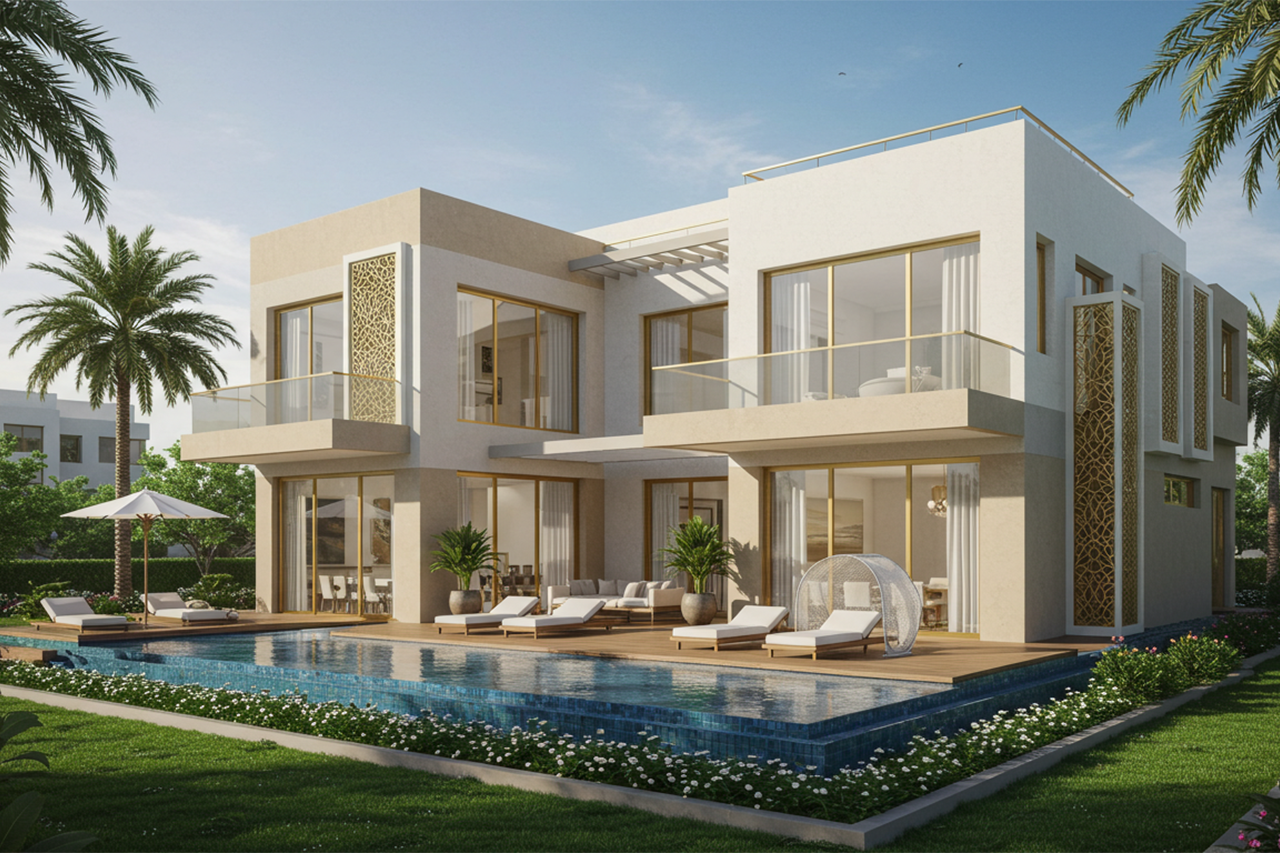
In Dubai villa design, layout is more than structure—it’s lifestyle. This blog explores 10 modern layout strategies that enhance comfort, flow, and livability in every room. From light wells to guest-ready multifunctional spaces, discover how thoughtful spatial planning creates home that breathe, support, and adapt to daily life—beautifully and effortlessly.
Some homes don’t raise their voice. They don’t try to impress you with fancy centerpieces or dramatic furniture. You walk in, and something just feels settled. The air doesn’t fight you. The space doesn’t demand attention. Your shoulders relax. You breathe a little deeper. And without realizing it, you're already home.
That sense of calm doesn’t come from extravagant décor or expensive tiles. It starts with layout. Especially in Dubai villas, where the climate is intense and the scale is large, layout decides how livable your home really is. You could have designer lighting and marble everywhere, but if the rooms don’t breathe right or the light falls wrong, the house won’t feel whole.
In 2025, more homeowners are beginning to see this difference. Design isn’t about decorating anymore. It’s about shaping how space behaves with you. Every time you cook, rest, host friends, or even walk to the bathroom at night, your layout either helps or hinders you. And when it works well, you rarely notice. That’s the beauty of it.
So if you're planning to renovate, build, or simply rework your villa in Dubai, these layout ideas are worth serious thought. Each one adapts to real-life patterns, not just aesthetic trends. Let’s walk through ten practical and modern interior design approaches that shape how space actually supports you.

1. The Connected Kitchen That Feels Calm, Not Crowded
It’s no longer sensible to tuck the kitchen into a faraway corner. You probably already know this. But opening it up doesn’t mean letting it take over. What you want is connection without chaos. A good kitchen layout feels part of the home, but still lets you cook in peace.
This balance is easier to strike than most people think:
● Install an island that doubles as both prep space and a dining spot.
● Use the same flooring throughout the kitchen and living area to create visual flow.
● Choose cabinetry with soft colours that reflect natural daylight instead of absorbing it.
● Keep wall storage minimal so your eye moves freely across the space.
● Let the kitchen sit close to windows or ventilation lines to manage indoor heat.
When the kitchen feels open but controlled, you’ll find yourself spending more time there. You’ll cook slower, host more often, and the entire living zone will begin to feel active in a good way. This is where function meets atmosphere.
2. Gentle Split-Levels That Introduce Shape Without Walls
Dubai villas often have wide, open floors that can feel too flat. Everything starts to blur, and even luxurious finishes won’t stop the space from feeling one-dimensional. Introducing a gentle elevation shift, just a step or two, reshapes that entire dynamic.
The goal isn’t to complicate. It’s to guide. Here’s how to do it well:
●
Drop one portion of the living
area by 15 to 30 centimeters.
●
Add subtle lighting changes
between the levels, such as dimmable wall lamps or recessed strips.
●
Switch flooring textures across
the levels to reinforce purpose: wood above, tile below.
●
Avoid heavy railings unless safety
requires them. Use furniture or soft ledges instead.
●
Keep colour transitions natural,
not abrupt.
You’ll end up with a space that directs movement intuitively. Guests will sit where the energy feels right. Children will migrate to the lower zone. You’ll start using the full width of your home in a more balanced way. And yes, it’ll feel stylish without needing more decoration.
3. Bedroom Layouts That Honour Distance, Not Just Doors
Sound has a way of travelling through walls no matter how thick they are. And when bedrooms are packed side by side, peace becomes fragile. If you're designing for comfort, separation is far more useful than just closing a door.
The structure matters more than the style here:
● Place the master bedroom away from noisy zones like kitchens or stairs.
● Add a vestibule or reading nook as a soft buffer between sleeping space and hallway.
● Group other bedrooms on the opposite side of the house or floor.
● Use sound-absorbing materials in shared walls and ceilings.
● Design windows for quiet airflow, not just view.
When done right, this layout doesn’t just create privacy. It fosters rest. You’ll notice deeper sleep, less frustration during busy mornings, and an overall sense of quiet control inside your home. In a city that’s always on, that kind of silence is worth building for.
4. Light Wells That Let the Sky In Without Letting the Heat In
You already know how intense Dubai’s sunlight can get. Left unchecked, it turns your interiors into furnaces. But handled with care, that same sunlight becomes your most powerful design tool. Light wells and central courtyards don’t just brighten your space;they soften it.
Here’s how this idea comes to life:
● Place an open courtyard or vertical shaft at the core of your home’s layout.
● Plant a small tree or install a water feature for cooling and calm.
● Use glass panels to connect nearby rooms to this central opening.
● Add skylights that catch gentle morning rays or filtered evening glow.
● Include a sitting platform or floor cushion area for meditation, tea, or rest.
This doesn’t need to be a luxury element. Even compact villas can borrow this idea by adjusting room flow and using light corridors. Once you do, your interiors start breathing better. They feel softer, more alive, and surprisingly more energy-efficient.

Looking for more design inspiration with traditional Emirati courtyard elements? You’ll find examples in our post on villa renovation tips.
5. Guest Spaces That Adapt to Your Daily Life
A guest room that just gathers dust is a missed opportunity. Especially when you live in a city like Dubai, where space isn’t always abundant even in large homes. It’s time to treat that extra room as a working part of your life.
Here’s what that means practically:
● Use a fold-away wall bed that clears the space when guests are gone.
● Include a minimalist work desk or shelves that disappear behind closed panels.
● Choose soft, flexible furnishings so the space doesn’t feel like a leftover.
● Make the room storage-friendly for both occasional guests and everyday needs.
● Use sliding partitions instead of swing doors to open up more room.
When your guest room starts serving you year-round;as an office, mini gym, or creative corner;it transforms from dead weight to daily utility. And when someone stays over, everything feels ready without stress or scramble.
6. Dining Layouts That Encourage Everyday Use
You’ve probably seen beautiful dining areas that feel too formal to touch. Maybe you even have one. They look right in photos but somehow feel wrong for actual meals. That’s because formality often pushes out familiarity.
To create a space people naturally use:
● Put the dining table close to a window or under a skylight for daytime warmth.
●
Hang a soft, focused pendant light
right above the centre for intimate evening meals.
● Add a cushioned bench along one side to make things casual.
● Let the space stay open to the lounge but not completely exposed.
● Tuck storage into a nearby wall for everyday tableware and linens.
A layout like this gently pulls people into the space. It makes breakfast feel relaxed and dinner feel personal. Whether you're eating solo or with company, the room serves the moment without making it feel staged.
7. Mudrooms That Stop the Mess Before It Starts
If your villa doesn’t have a space to catch the clutter at the door, your entire home ends up absorbing it. Shoes, umbrellas, shopping bags, and that one hoodie that never makes it to the bedroom;they all need a landing zone.
A well-planned mudroom doesn’t take much space, but it saves you time every day:
● Install closed cabinets that hide away messy items and seasonal things.
● Use wall hooks at adult and kid height so everyone contributes.
● Add a small bench with under-seat storage for quick shoe changes.
● Mount a mirror and soft lighting for functional prep space.
● Choose flooring that doesn’t get ruined by sand, rain, or pet paws.
The difference this makes is huge. You stop losing keys. The entryway feels calmer. Your mornings move faster. It’s one of those spaces that earns its place ten times over without asking for much.
8. Dual-Access Bathrooms That Just Make Sense
If you’ve ever waited outside a bathroom in your own house, you know the problem. It’s not about needing more bathrooms;it’s about designing smarter ones. And in villas where guests and family often overlap, dual-access layouts can be a lifesaver.
Try this approach:
● Build one bathroom between two bedrooms with private access from both sides.
● Separate the vanity from the shower and toilet with internal partitions.
● Use dual sinks where possible to avoid morning congestion.
● Keep storage mirrored on both entry sides for balance.
● Choose privacy locks that are visible from both rooms.
This structure gives everyone freedom without awkward collisions. Especially if you host often or have kids with shifting routines, this setup keeps things moving smoothly.
9. Outdoor Areas That Function Like Interior Rooms
You might already have a backyard or terrace, but if it doesn’t feel like part of your home, it probably sits unused. The goal isn’t to create a garden for show. It’s to build an outdoor zone you can live in.
Here’s what bridges that gap:
● Use wide glass doors that open fully, blurring the line between inside and out.
● Keep the floor material consistent to maintain visual rhythm.
● Add a shaded pergola or canopy for all-day comfort.
● Use ceiling fans and soft lighting to keep the space usable year-round.
● Include permanent seating with hidden storage for outdoor tools and cushions.
Once your outdoor feels like another room;not a separate world;you’ll start using them more. Morning tea feels better. Phone calls get more relaxed. Even work-from-home days feel lighter.
10. Central Utility Cores That Keep Problems Contained
It’s easy to forget the things behind the walls. But when something breaks, you remember quickly. Pipes leak. Wires short. AC vents clog. If your villa wasn’t built with an accessible utility core, even small fixes turn into messy disruptions.
Here’s how to stay ahead of it:
● Run all major systems;water, AC, power;through a central shaft or zone.
● Align bathrooms, kitchens, and laundries vertically or horizontally to reduce distance.
● Install hidden panels that allow access for repair without ruining aesthetics.
● Use materials that contain fire, block noise, and last long.
●
Set aside space for backup
generators or water systems if needed.
This kind of structure doesn’t change how your home looks. But it transforms how it feels when something goes wrong. You won’t panic. You won’t scramble. You’ll fix things quickly and quietly;just like a modern villa should allow.
Frequently Asked Questions
Q:
Why is layout more valuable than décor in villa interiors?
A: Layout directly affects how you move
through your home, how private each room feels, and how efficiently light and
air circulate. Décor only comes into play once those foundational elements are
in place. If your villa’s layout is flawed, no amount of decoration will fix
the discomfort. In a Dubai villa, where space is generous but climate control
is essential, the layout determines how usable each area truly is. A modern
villa layout should focus on supporting your habits, simplifying your routines,
and creating calm in both public and private zones.
Q:
What’s the best way to bring natural light into a villa without making it too
hot inside?
A: In Dubai’s climate, direct sunlight
can quickly overheat interiors. Instead of wide, uncovered windows, consider
filtered light solutions. Skylights with built-in diffusers allow soft daylight
without the glare. Inner courtyards and vertical light wells help bounce
sunlight into darker parts of the villa without turning the space into a
greenhouse. You can also use shaded glass panels or louvered openings near staircases.
Positioning light sources to catch early morning or late afternoon sun makes
your villa interiors glow naturally, while keeping the midday heat at bay.
Q:
Should smaller villas also include a mudroom or entry drop zone?
A: Yes, absolutely. Even compact villas
benefit from a transition area near the entrance. It doesn't need to be a
full-sized mudroom. A narrow corridor with wall hooks, a bench with storage
underneath, and a small shoe cabinet can do the job. Especially in sandy
environments like Dubai, where dust and debris are common, this mini-zone helps
keep the rest of your home clean and organised. It also creates a pause between
outdoor chaos and indoor calm. Smart villa design always includes a plan for
everyday clutter.
Q:
Are split-level villa layouts practical for families with elderly members or
young children?
A: They can be, but the design must be
thoughtful. Soft steps, clear lighting, and non-slip textures make split-level
layouts safer for everyone. Avoid abrupt height differences or narrow
staircases. If you’re planning a split-level living room or dining zone,
consider using floor material changes to highlight transitions. For families in
Dubai who often live with multiple generations under one roof, this approach
adds elegance and zoning without compromising comfort or safety.
Q:
What kind of ventilation is most effective in modern Dubai villas?
A: Cross-ventilation is key. This means
placing windows, openings, or ventilation grilles on opposite sides of each
major room to create a natural airflow path. You can also integrate stairwells
or vertical light wells to act as chimneys that draw hot air upward and out.
Courtyards with shaded plantings provide cooler air that feeds into the house.
In large villas, aligning kitchen exhausts, bathroom fans, and natural vents
within a unified ventilation plan ensures that no room becomes stale or stuffy.
Q:
Do guest bedrooms in luxury villas need their own attached bathrooms?
A: Not always. If you frequently host
visitors, yes, a private en-suite adds comfort. But in many modern villa
layouts, guest rooms are used occasionally, so a shared bathroom with dual
access is more space-efficient. With smart design, you can separate the toilet,
shower, and sink areas so more than one person can use the space at a time. You
also reduce unnecessary plumbing costs. Prioritise adaptable layout ideas for
Dubai villas that blend hospitality with everyday usability.
Q:
How can you design outdoor spaces in a Dubai villa that are usable even during
summer?
A: Shade is the most important element.
Pergolas with fabric covers, retractable canopies, or timber slats all help
filter sunlight while allowing airflow. Ceiling fans, misting systems, and tall
greenery reduce ambient temperature. Use stone or wood decking instead of
heat-retaining tiles. Make sure your indoor flooring flows visually into the
outdoor patio so the transition feels seamless. When outdoor spaces are treated
as real rooms with lighting, seating, and protection from the sun, you end up
using them much more often—even in warmer months.
Q:
Which is better for a Dubai villa: a closed kitchen or an open one?
A: The best option is a semi-open
kitchen that offers both visual openness and functional privacy. Closed
kitchens can isolate you from social activity, while fully open kitchens may
let heat, noise, and smells spread too easily. By using a partition wall,
sliding panel, or even just a change in ceiling height or lighting, you can
create a kitchen layout that feels connected but not exposed. In modern
interior design for Dubai homes, this hybrid layout is increasingly preferred
because it supports hospitality, airflow, and cooking efficiency all at once.
Q:
What is one major villa layout mistake people regret later?
A: One of the most common mistakes is
placing bedrooms too close to social spaces like the living room or kitchen.
Noise travels, especially in large open-plan villas. This affects sleep,
privacy, and mental rest. Another oversight is ignoring how sunlight moves
through the home during the day. Bedrooms facing west often overheat in the
evening unless shaded properly. Smart villa layouts always consider
orientation, traffic flow, and zoning from the beginning—not as an
afterthought.
Q:
Can a light well actually improve a multi-storey villa design?
A: Yes, a vertical light well works
exceptionally well in tall villas. It acts as both a daylight source and a
ventilation shaft. When placed strategically, it brings morning or filtered
afternoon light into the centre of the home, including staircases or landings
that would otherwise remain dim. Add glass walls or railing cutouts to maximise
light spread across floors. In modern villa renovation projects, light wells
are also used as design anchors that link different levels without needing a
central atrium.
Q:
How can you make a villa feel more private without closing off rooms
completely?
A: Use layout cues instead of walls.
Vary ceiling heights, shift flooring materials, or use furniture placement to
define zones. You can also add soft partitions, semi-transparent screens, or
built-in storage that doubles as a divider. Bedrooms can be grouped in a
separate wing or buffered with a small library, lounge, or reading alcove.
Instead of relying on doors and walls, the best modern villa designs in Dubai
create privacy through spacing, layering, and smart transitions.
Q:
Are courtyards still relevant in contemporary Dubai villas?
A: More than ever. Courtyards, whether
small or expansive, are ideal for introducing soft light, cool air, and
greenery into the middle of the home. They break up the length of corridors,
improve ventilation, and provide a natural pause between active and quiet
areas. Even a narrow, shaded vertical garden or a glass-roofed patio can serve
the same purpose. In hot climates, courtyards are not only aesthetic choices
but functional tools for better energy flow and emotional balance inside the
home.

Final Thoughts
No villa is ever the same. Even if two properties look alike on paper, the way they function in daily life depends entirely on how well their layout supports the people living in them. You might have expensive furniture or eye-catching décor, but if the flow feels off, the discomfort will always linger beneath the surface.
That is where modern interior design earns its place. It shifts the focus away from what a space looks like and asks instead how it behaves when you cook, rest, walk, or wake up. A good layout is not about trends. It is about decisions that quietly make life easier; where your mornings are less rushed and your evenings feel more relaxed.
When your villa design begins to follow the logic of your life instead of a design catalogue, you notice the change without needing to be told. Rooms feel balanced. Light falls where it should. Sounds soften naturally. You stop trying to adjust to the house because the house has already adjusted to you.